
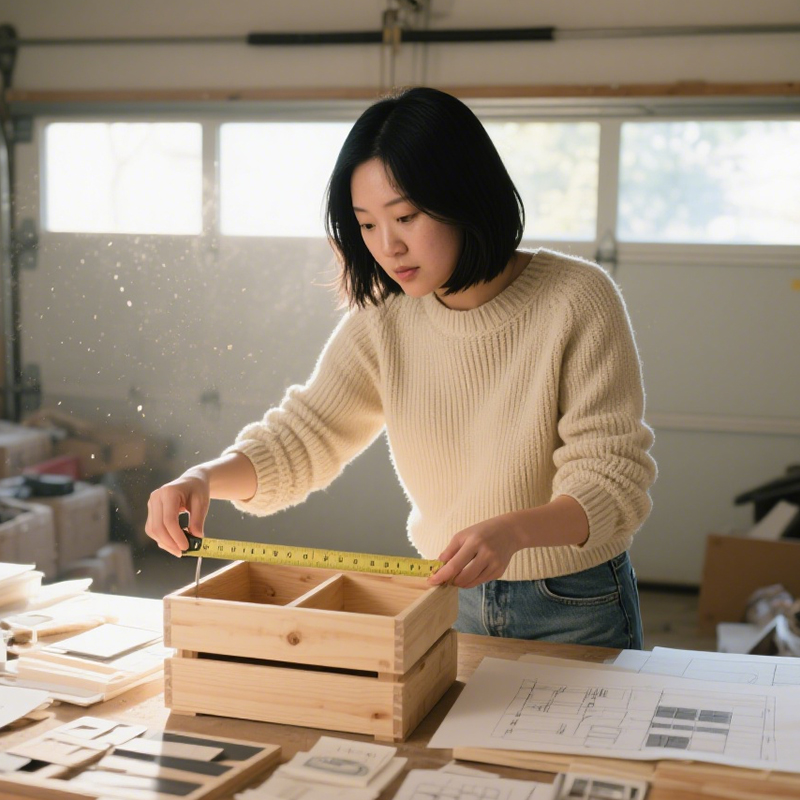
On the prairie of Ohio in 1865, pioneer Eliza's canvas bag rattled as the wagon jolted along. With the small knife whose handle was hand-polished by her husband, she carefully sorted the children's rag dolls, dried herbs, and family letters, and placed them in different compartments of the pine box. The partitions marked with coarse twine were the gentle weapons of this mobile family to combat the chaos of the wilderness - this was the original form of American storage: preserving order in the midst of颠簸 and anchoring the home in migration.
A century later, in the Detroit factory after World War II, worker Martha was packing the first batch of plastic storage boxes. These angular transparent containers replaced the oak drawer cabinets passed down by her mother, but continued the same mission. During lunch, she hastily wrote a note: "Dear, the newly bought layered boxes can hold all the children's crayons", and then stuffed it into her work uniform pocket. After the baby boom in post-war America, mass-produced storage products sprang up like mushrooms after rain. Charles Eames and other designers integrated functionality and aesthetics into the home, allowing ordinary families to enjoy the art of tidy living. The top drawer of Martha's chest of drawers was always locked, containing the children's fallen baby teeth and her husband's military medals. Storage thus had the gentle mission of protecting privacy.
A century later, in the Detroit factory after World War II, worker Martha was packing the first batch of plastic storage boxes. These angular transparent containers replaced the oak drawer cabinets passed down by her mother, but continued the same mission. During lunch, she hastily wrote a note: "Dear, the newly bought layered boxes can hold all the children's crayons", and then stuffed it into her work uniform pocket. After the baby boom in post-war America, mass-produced storage products sprang up like mushrooms after rain. Charles Eames and other designers integrated functionality and aesthetics into the home, allowing ordinary families to enjoy the art of tidy living. The top drawer of Martha's chest of drawers was always locked, containing the children's fallen baby teeth and her husband's military medals. Storage thus had the gentle mission of protecting privacy.
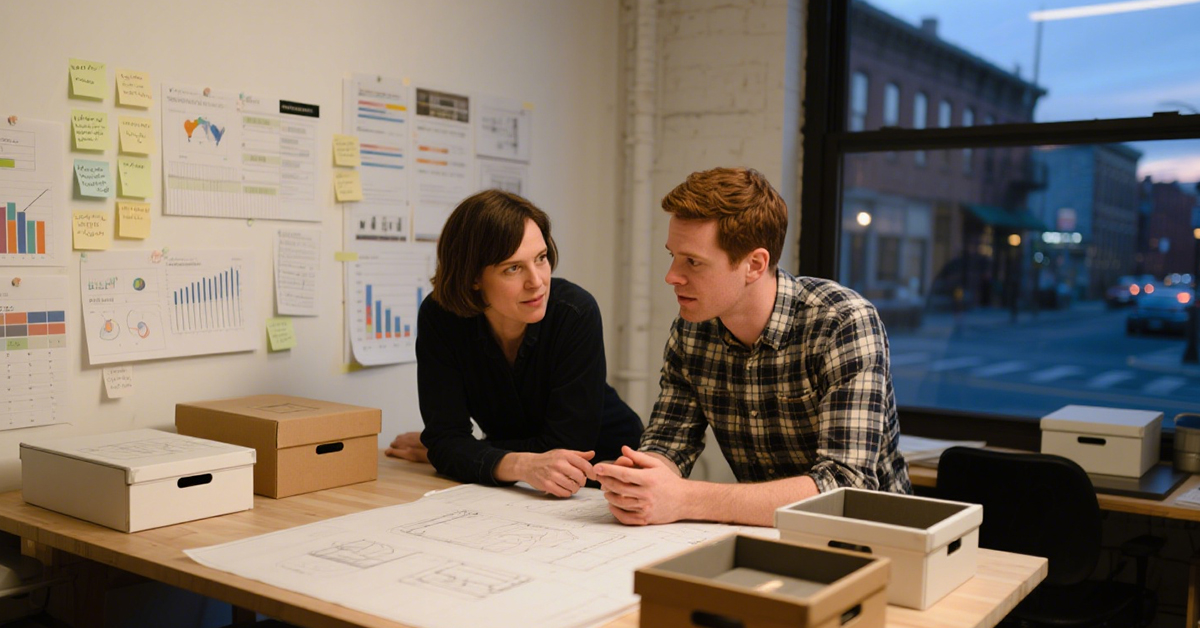

Under the contemporary sunshine of Phoenix, in Jen Jones, the organizer's kitchen, the colorful label boxes are arranged in a poem-like pattern in the morning light. "Mom, my Lego is in the blue box!" Her seven-year-old son runs over with the label in hand. This scene reminds her of the time when her grandmother used cookie jars to categorize candies for her thirty years ago. As a mother of three children, Jen created the "Ten-Minute Organization Method": sorting cereal boxes after breakfast and putting toy cars back in place before bedtime. These fragmented moments contain the wisdom of modern family life. Americans' preference for flexible organization is on full display here - cloth boxes on open shelves, storage boxes with wheels under the bed, and even homemade wooden shelves on the wall, all telling the story of "Home is not a museum, but a living space that breathes."
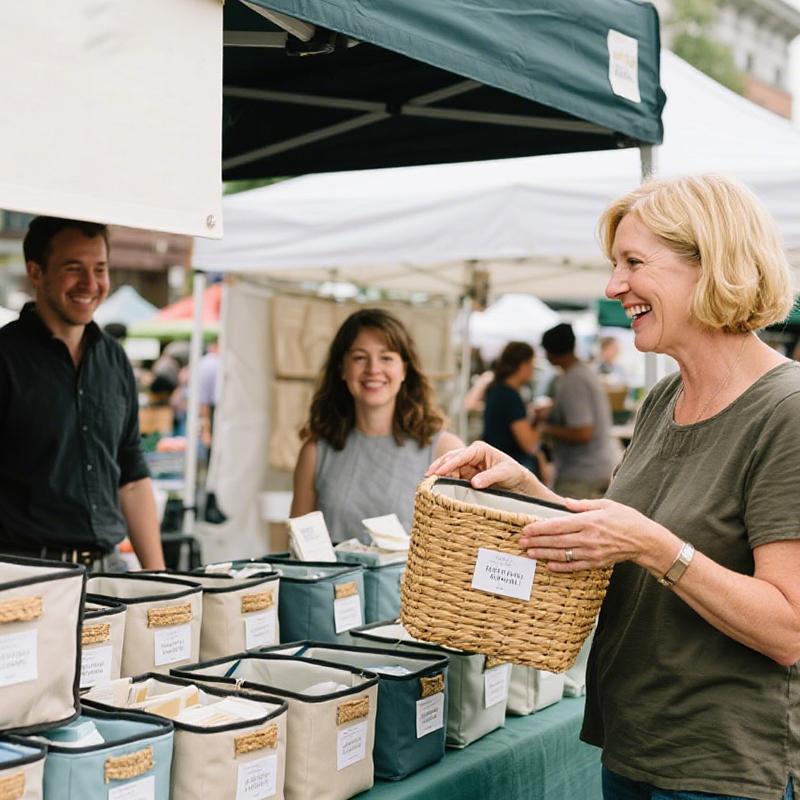
From the wooden boxes of the pioneering era to the current eco-friendly storage systems, our brand has always believed that the essence of storage is the appreciation of life. When Eliza's great-granddaughter opens the bamboo drawer dividers we designed, what she feels is not only the smooth wood grain but also the warmth of life spanning over a century. The storage jars with scales remember the sweetness of every baking session, the clearly categorized file boxes bear witness to the growth of the business, and the cartoon storage boxes for children's rooms are filled with the laughter and joy of childhood.
In this fast-paced era, we insist on using sustainable materials to make every product, allowing environmental protection and practicality to coexist. Just like the pioneers in the western frontier cherished every piece of wood, families after the war cared for every plastic box, today we still believe: good storage products should not only be tools but also witnesses of life. When you organize your seasonal clothes, when children learn to put toys back in place, when the whole family labels the storage boxes together, these ordinary moments are being gently stored, becoming the most precious treasures in life.
In this fast-paced era, we insist on using sustainable materials to make every product, allowing environmental protection and practicality to coexist. Just like the pioneers in the western frontier cherished every piece of wood, families after the war cared for every plastic box, today we still believe: good storage products should not only be tools but also witnesses of life. When you organize your seasonal clothes, when children learn to put toys back in place, when the whole family labels the storage boxes together, these ordinary moments are being gently stored, becoming the most precious treasures in life.
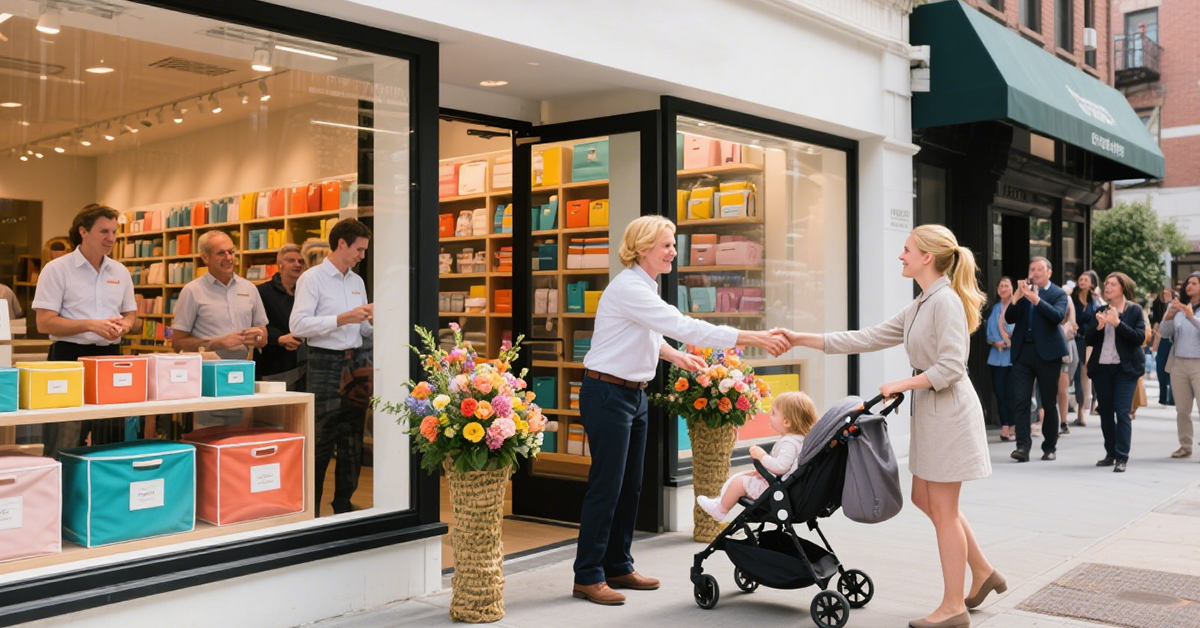
For we understand that everyone needs a tidy space to live in, and every piece of storage item is safeguarding the warmth of the home and the weight of memories.